
Winter Prep Checklist for Commercial Property Owners and Managers
For a commercial property, winter problems cost more than repair bills. A frozen pipe can close a restaurant for a day. A broken entry door can turn away customers. A patch of icy pavement can lead to a slip-and-fall claim. Most of these problems start small and are easy to spot in the fall, while the weather is still cooperating.
At BIRD Construction Handyman, we’ve served Kansas and Missouri for over 20 years, and we help business owners and property managers keep their buildings safe, open, and in good shape. Here is a fall checklist to work through before the first freeze.

Start at the Top: Roof and Exterior
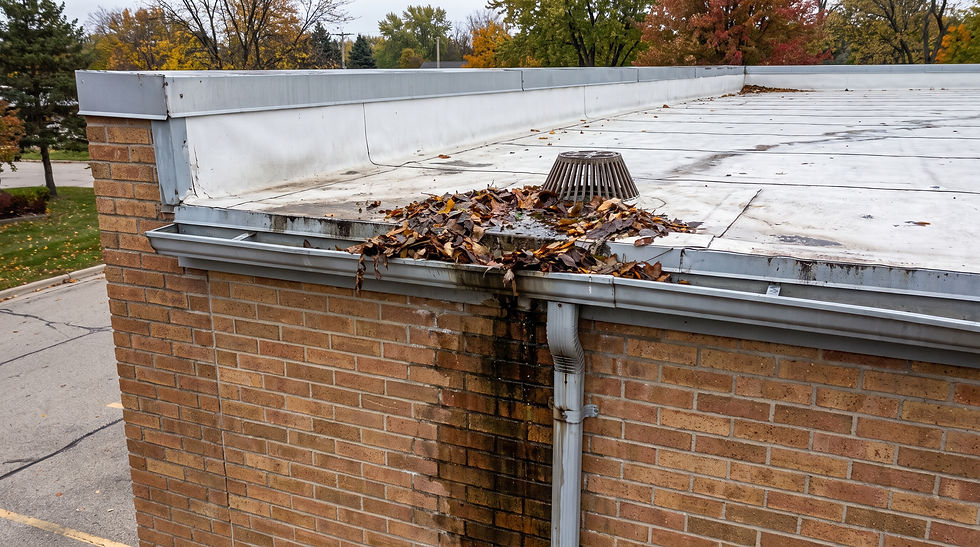
Roof and drainage. Look for loose or damaged materials, ponding water, and debris around drains, gutters, and downspouts. Clogged drainage is a common cause of leaks and ice buildup. Roof work is risky, so use binoculars or a drone view from the ground when possible, and call a professional for anything that needs a closer look.
Walls, siding, and sealants. Walk the building’s perimeter and check for cracked caulk, gaps around windows and penetrations, damaged trim, peeling paint, and exposed wood. Small openings let in moisture, and freezing temperatures make them larger.
Gutters and downspouts. Clear them, make sure they’re attached firmly, and confirm that water drains away from the foundation and walkways.
Signs and exterior fixtures. Check that mounting hardware is secure and that outdoor lighting works. Winter wind is harder on loose items than you’d expect.
Entrances, Storefront Glass, and Doors
Your entrance is the first thing customers and tenants see, and the part of the building that works hardest in winter.
Doors. Check that they open, close, and latch smoothly. Look at hinges, closers, thresholds, and handles.
Weatherstripping and door sweeps. Worn seals waste heating dollars and let in drafts. Replace any that are cracked or missing.
Storefront glass and frames. Look for cracks, failing seals, and gaps in the framing or caulk.
Floor mats and entry surfaces. Wet, slippery entryways are a top winter hazard. Make sure you have good mats and that flooring near doors has solid traction.
Accessibility. Confirm that automatic openers, ramps, and handrails are working properly.

HVAC and Interior Systems
HVAC. Have your heating system serviced by a licensed HVAC technician before you need it, rather than after it fails on the coldest day. Meanwhile, check that vents and returns aren’t blocked, replace filters, and make sure thermostats are working.
Plumbing. Look under sinks and around restrooms for leaks. Know where your main water shutoff is and make sure staff or tenants do too. Insulate exposed pipes in unheated areas such as storage rooms, utility closets, and mechanical spaces. Keep these areas above freezing, since frozen pipes are one of the most expensive winter surprises.
Interior walls and ceilings. Check for water stains, bubbling paint, and cracks. They often mean a leak is hiding behind the surface. Our post on hidden water leak warning signs explains what to look for.
Concrete, Parking Lots, and Walkways
Water gets into cracks, freezes, and expands, so small cracks and potholes grow quickly over the winter.
Look for cracks, heaving, and uneven surfaces in sidewalks, parking areas, ramps, and loading zones.
Mark trip hazards and have them repaired before the cold sets in.
Check drainage. Water that pools near entrances or on walkways turns into ice.
Review lighting. Shorter days mean customers and employees are walking in the dark more often. Replace burned-out fixtures and check coverage in parking areas and paths.
Plan for snow and ice removal. Know who is responsible and how quickly they can respond.

Interior Lighting and Safety
Lighting. Replace failing bulbs and fixtures, especially in stairwells, hallways, restrooms, and back-of-house areas.
Emergency and exit lighting. Test them and replace batteries as needed.
Smoke and carbon monoxide detectors. Heating season raises the risk. Test every unit and replace any that are past their date.
Fire extinguishers. Check that they’re accessible and that inspection tags are current.
Stairs and handrails. Make sure they’re secure, well lit, and in good condition.
Walking surfaces. Look for loose tile, lifted flooring, and worn carpet that could cause a fall.

For general guidance on keeping a business safe and prepared, you can also review the winter weather resources from Ready.gov.
Schedule Preventive Maintenance Instead of Waiting for Emergencies
The best maintenance plan is a regular one. A building that’s inspected every season rarely has big surprises, while a building that’s only fixed when something breaks tends to spend more and deal with more disruption.
A simple routine for most properties looks like this:
Fall: Winter prep (the checklist above)
Winter: Quick checks after severe weather
Spring: Inspect for winter damage
Summer: Cooling, exterior, and paving upkeep
Put the dates on your calendar and keep a log of what you inspected and what you repaired. That record helps with budgeting, insurance, and tenant communication.

What You Can Handle In-House and What to Hand Off
Often fine to handle in-house:
Replacing filters and light bulbs
Testing detectors and emergency lights
Visual checks for leaks, cracks, and drafts
Clearing drains and debris you can reach safely
Best handled by a professional:
Anything involving roof access
Electrical, plumbing, and HVAC repairs
Storefront glass, door hardware, and structural concerns
Concrete repair
Any problem you can see but can’t explain
How We Support Commercial Properties
When you work with BIRD Construction Handyman, you get the same values we bring to every job:
Honest pricing. Clear written estimates, with no surprises and no pressure.
Clear communication. You’ll know what we found, what it means, and what your options are, so you can plan and budget.
Quality craftsmanship. Our name is on the work, so we build it to last.
Reliability. We’re licensed and insured, we show up on time, and we work to minimize disruption to your business and tenants.
Local, family-owned roots. We live and work in the communities we serve, and we treat your property like our own.
Our 3-step process explains what working with us looks like. You can also see our recent projects and read what our customers say.

Common Questions From Property Owners and Managers
How early should I schedule winter prep?
Early fall is best, before temperatures drop and before contractors fill up. Waiting until the first freeze can mean delays.
Can you work around business hours?
We’ll talk with you about scheduling so the work causes as little disruption as possible.
Do you handle small repairs as well as larger projects?
Yes. We handle everything from quick fixes to larger renovations. See our services page for the full list.
What if something breaks outside normal hours?
Call or text us at 816-209-1896. We’ll do our best to help as quickly as we can.
Get Your Property Ready Before Winter Arrives
A short inspection now can prevent shutdowns, injuries, and expensive repairs later. Schedule a commercial property inspection and we’ll walk your building with you, point out what needs attention now and what can wait, and give you a clear written estimate for any repairs.
Request an estimate, text or call 816-209-1896, or email info@BirdCoHandyman.com.
BIRD Construction Handyman: Built Right. Built to Last.


Comments